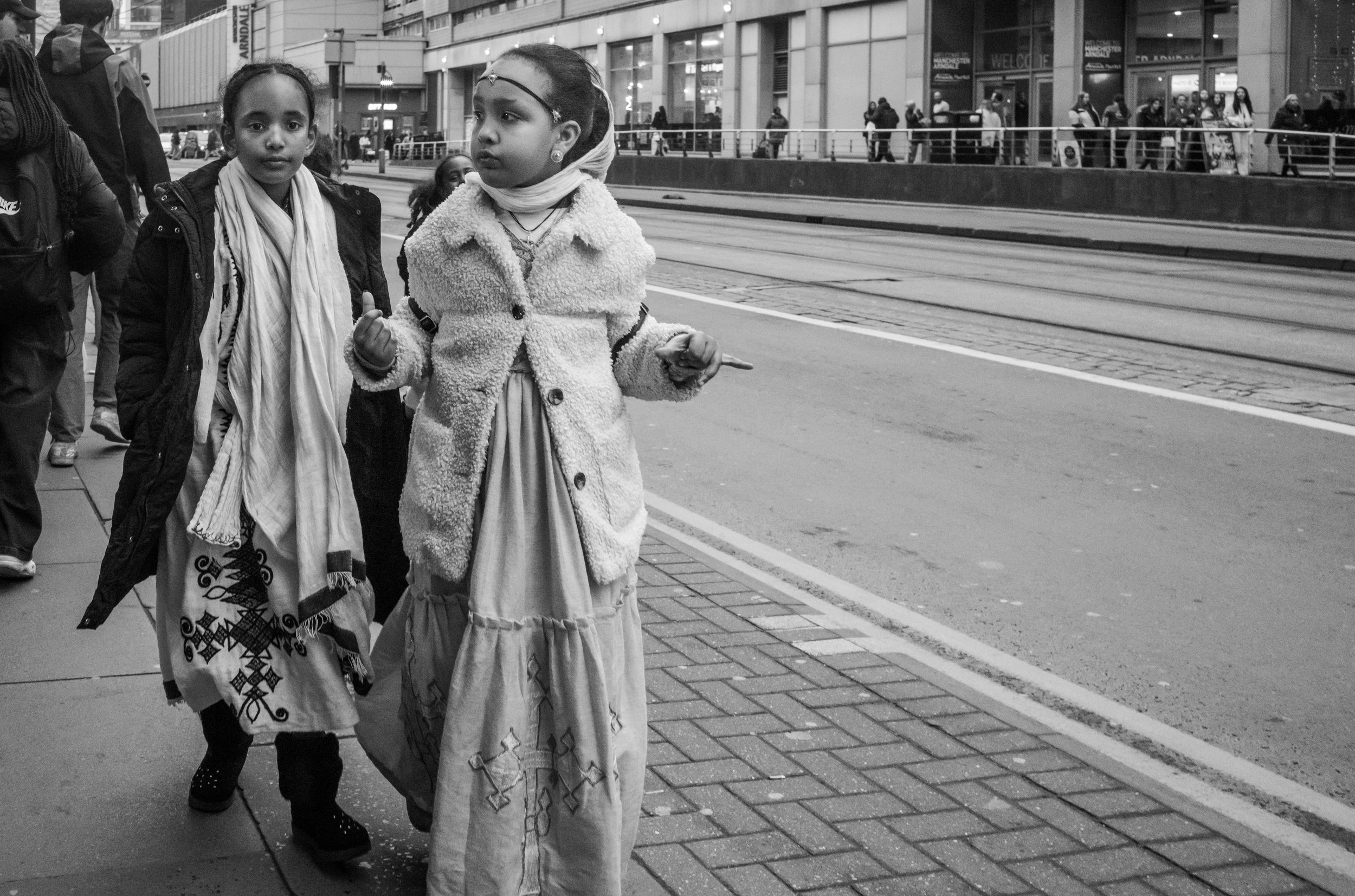
High Street: An Autopsy in Slow Motion
High Street Manchester functions primarily as a route between more important places, a corridor that people pass through without pausing. There are few reasons to stop here, fewer still to linger. The street serves movement rather than destination, its purpose reduced to the simple mechanics of getting from A to B. In a city centre dense with attractions and commerce, High Street has somehow become the space in between.
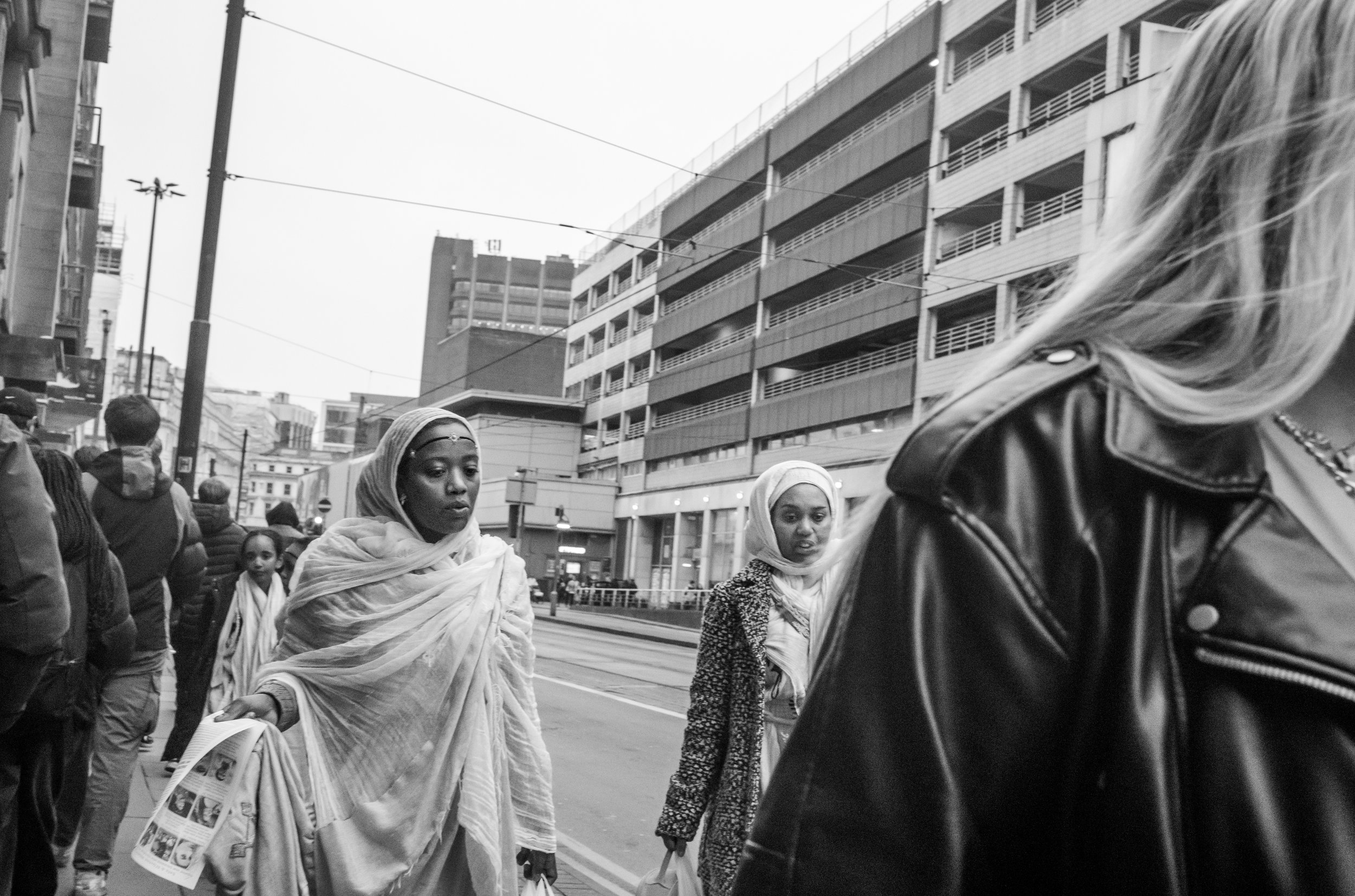


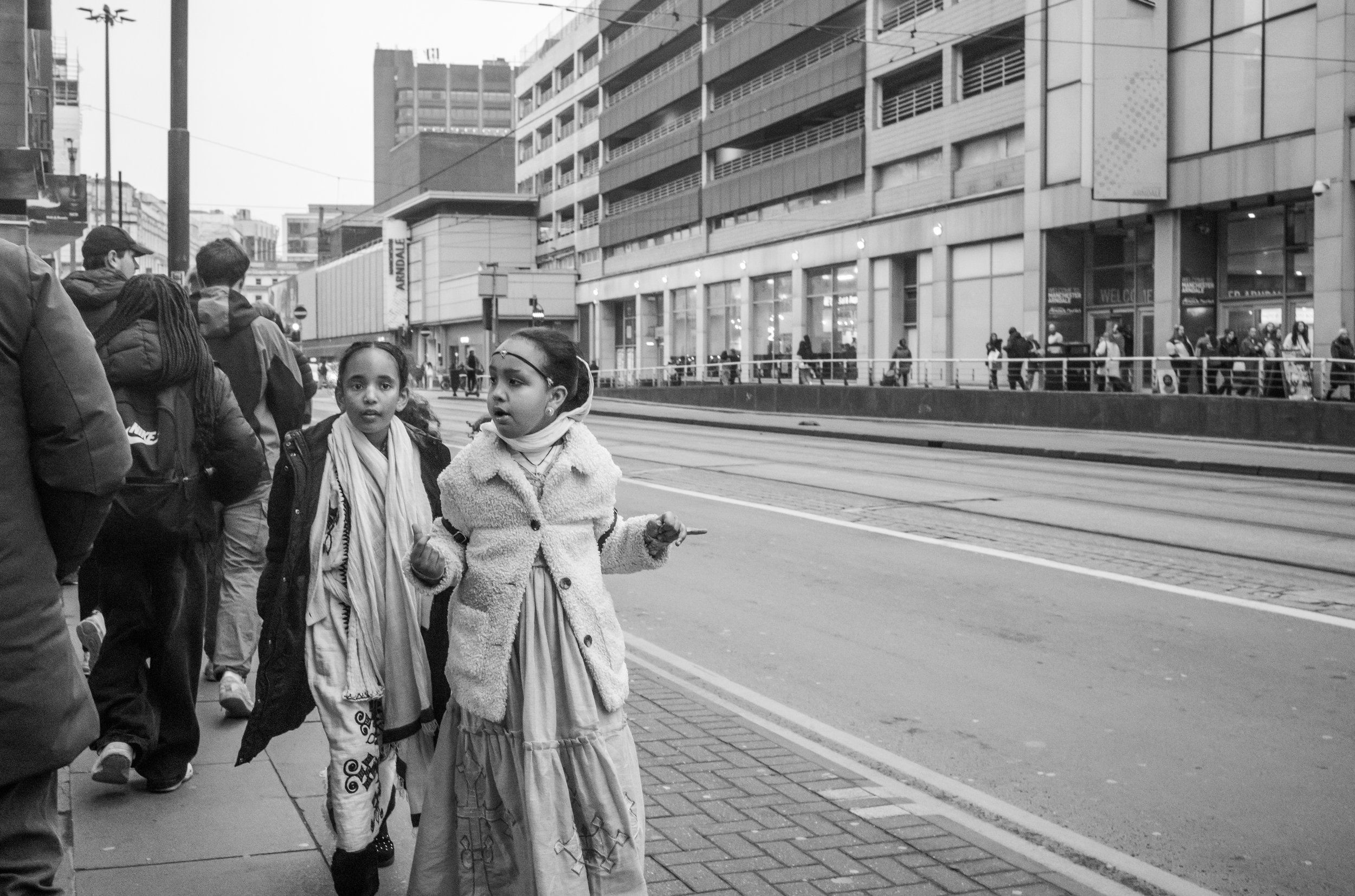
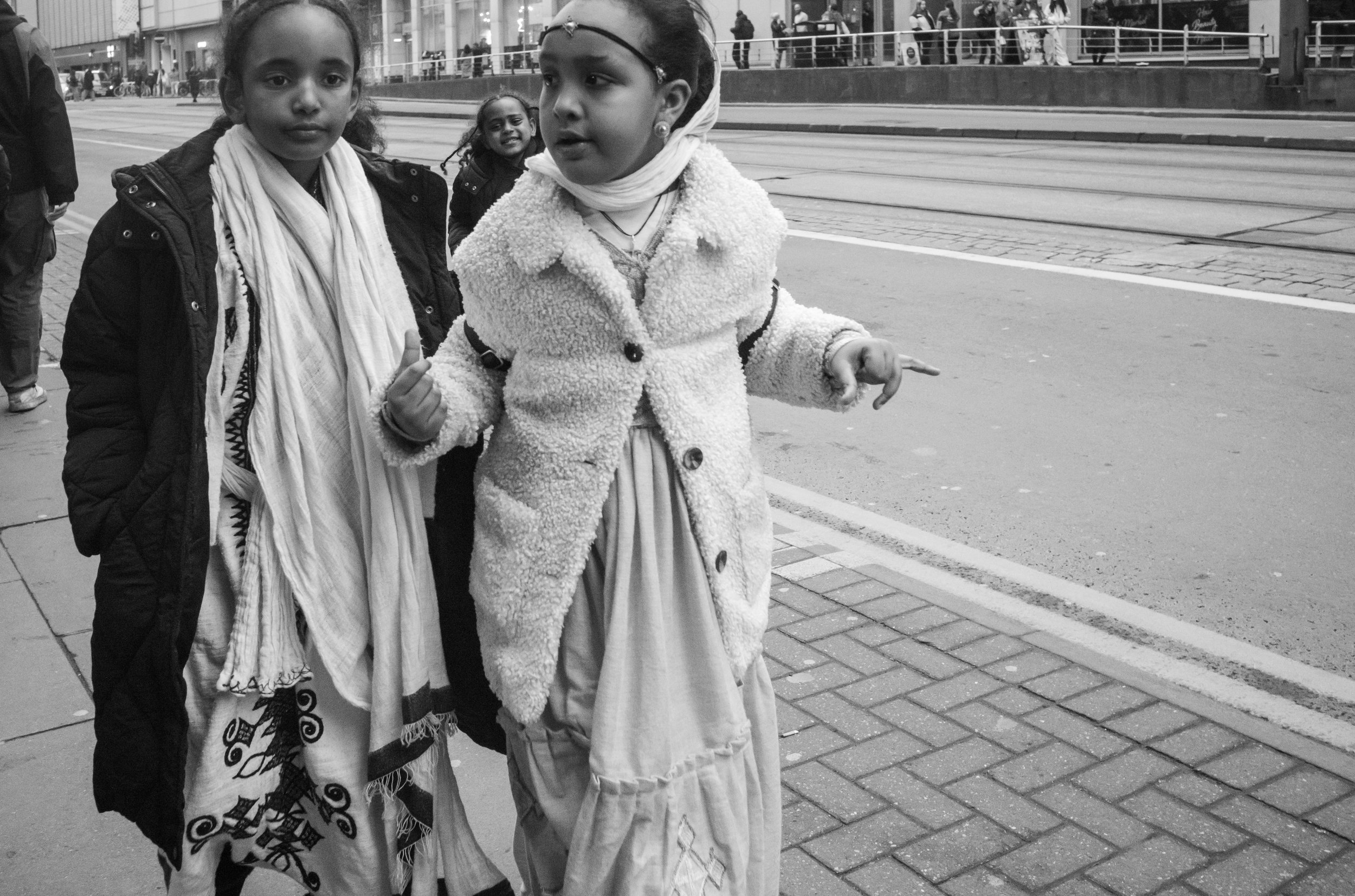
People move through with purpose that belongs elsewhere. They're heading to Market Street, to Piccadilly, to destinations that High Street merely connects. The street has become infrastructure rather than place, necessary for navigation but invisible to memory. Few conversations begin with "meet me on High Street" because there's nothing there worth meeting for.
Walking High Street feels like documenting urban purgatory - not dead, not alive, just persistently present. It serves the city by disappearing into usefulness, by being forgettable enough that you can cross it without distraction. Sometimes the most important streets are the ones that don't insist on being noticed, that simply do their job of connecting what matters to what matters more.