Skelmersdale : Returning to Yesterday’s Tomorrow

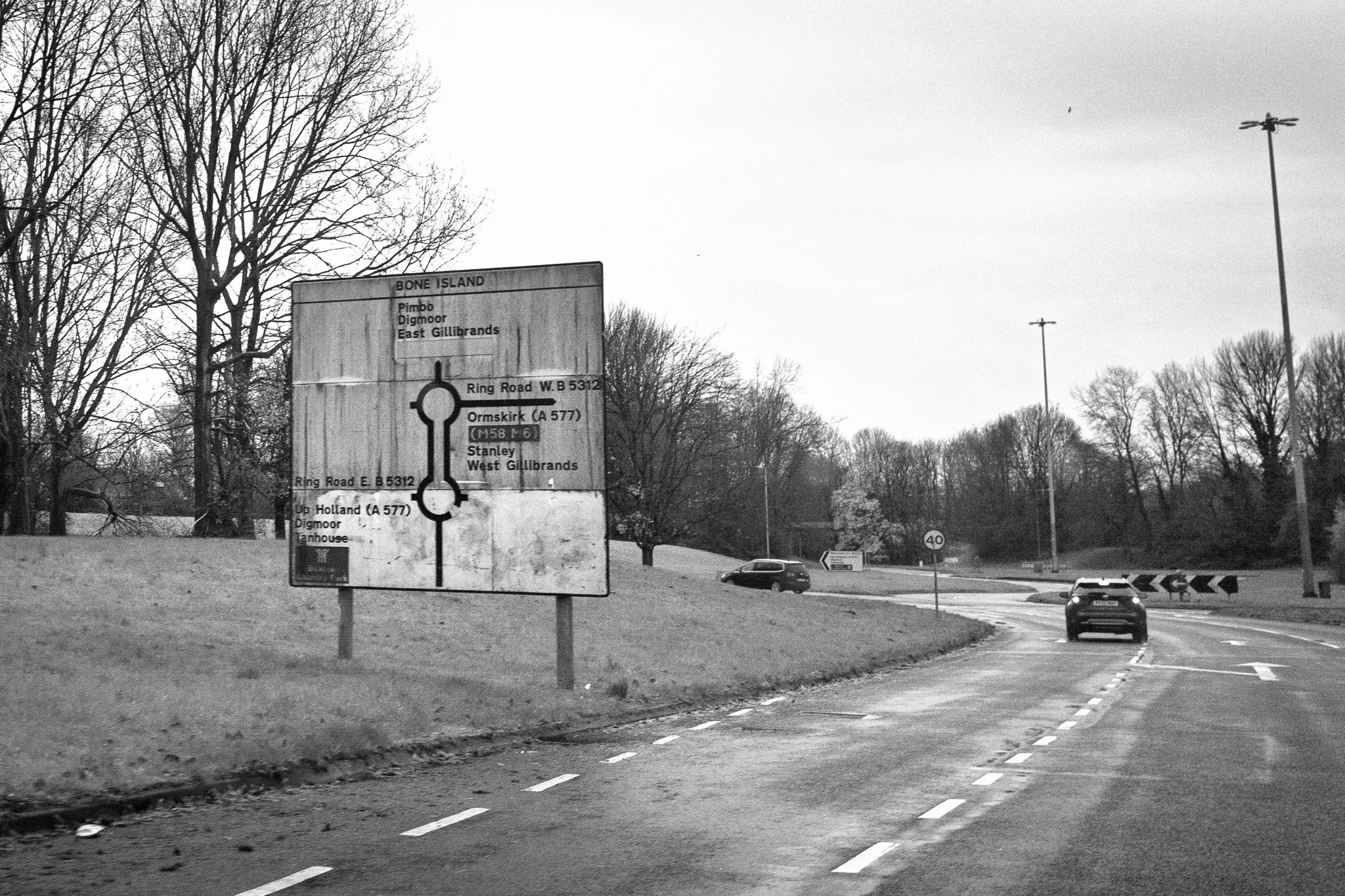
In 1961, Skelmersdale was designated a new town. It was meant to be a bold experiment in social engineering and modernist planning, designed to house Liverpool's overspill population. The planners had this optimistic vision of the future: integrated civic spaces, car-friendly infrastructure, brutalist architecture that would reshape how communities lived. It was going to be brilliant.

Nearly 65 years later, I'm walking these streets with my camera, documenting what's left of that utopian dream. It's more complicated than failure or success.

The Language of Concrete

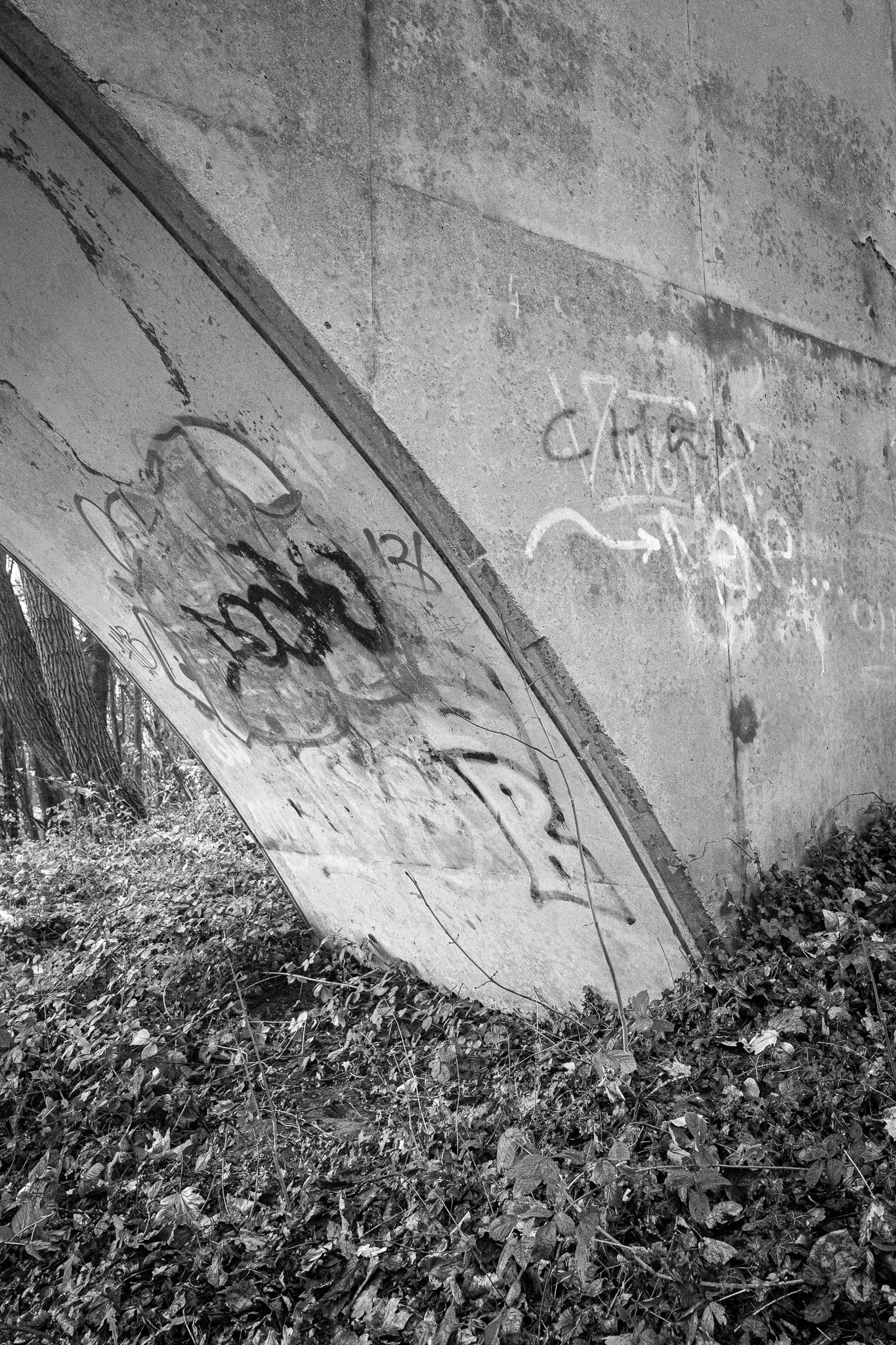
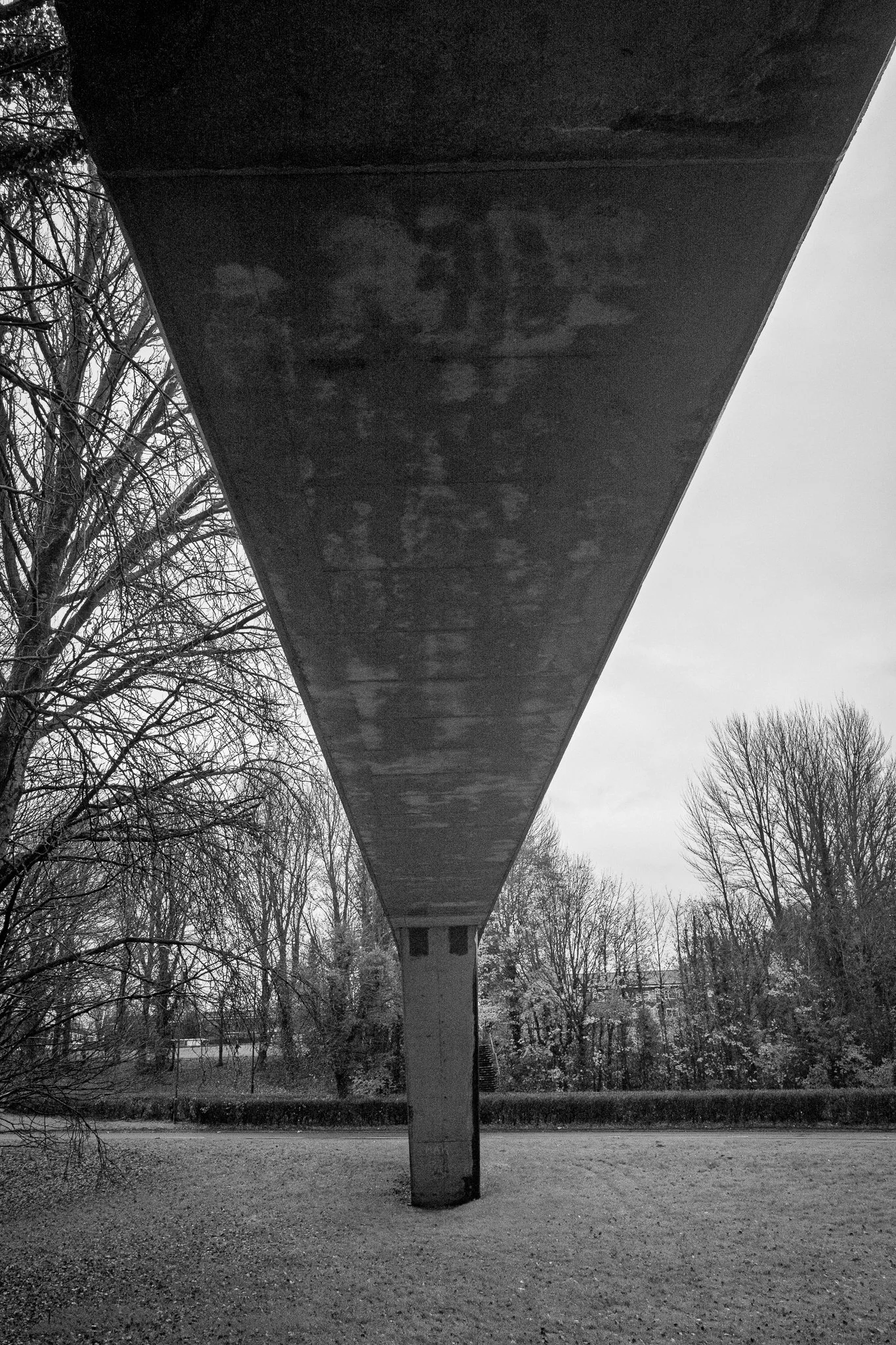
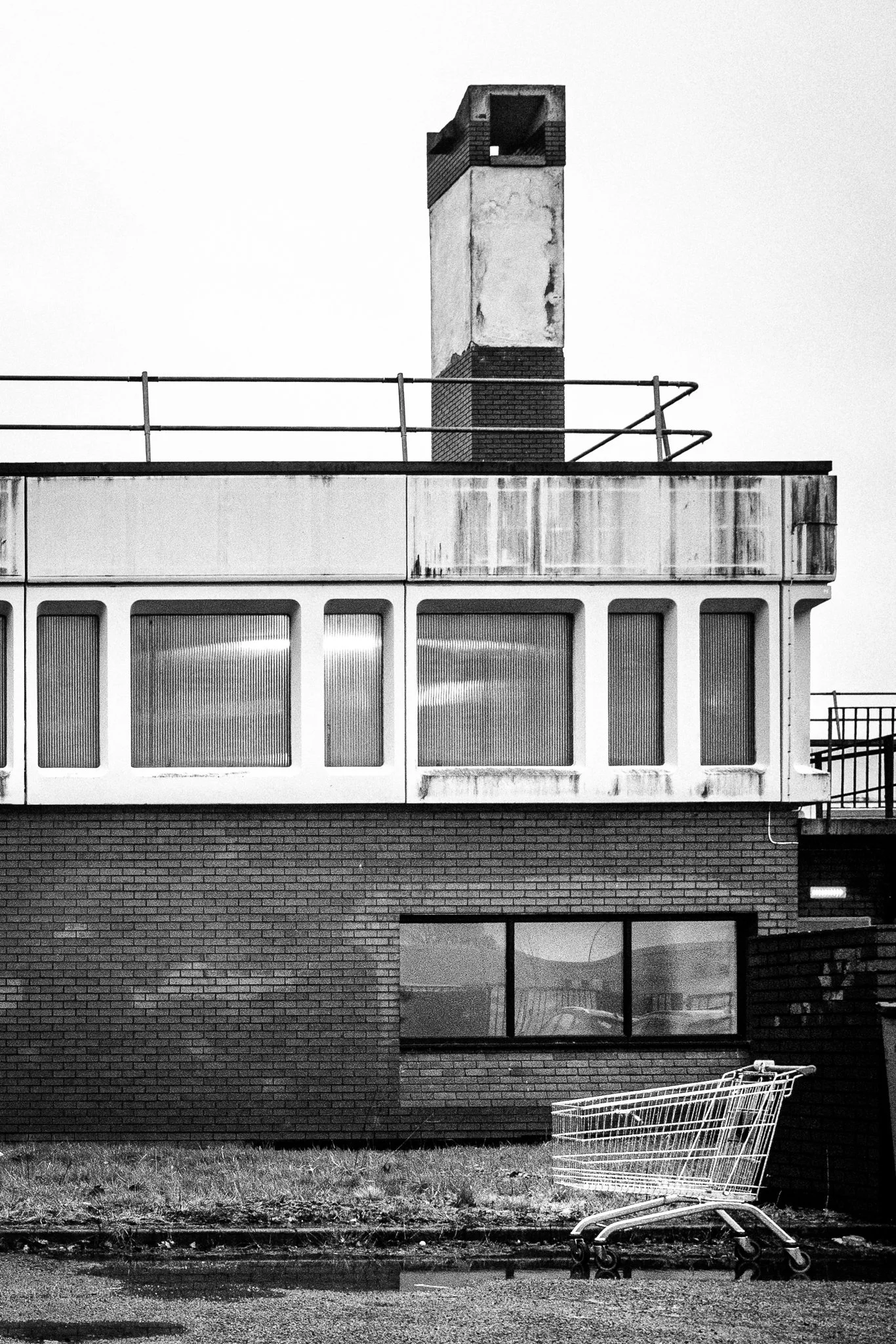
Concrete was supposed to be the material of optimism. Raw, honest, democratic. You could pour it into any shape, it would last forever, it could house everyone. In Skelmersdale, concrete speaks in the vocabulary of 1960s modernism: pedestrian bridges flowing over roads like frozen rivers, geometric housing blocks that repeat into the distance, civic buildings that look like they're built to withstand nuclear war.

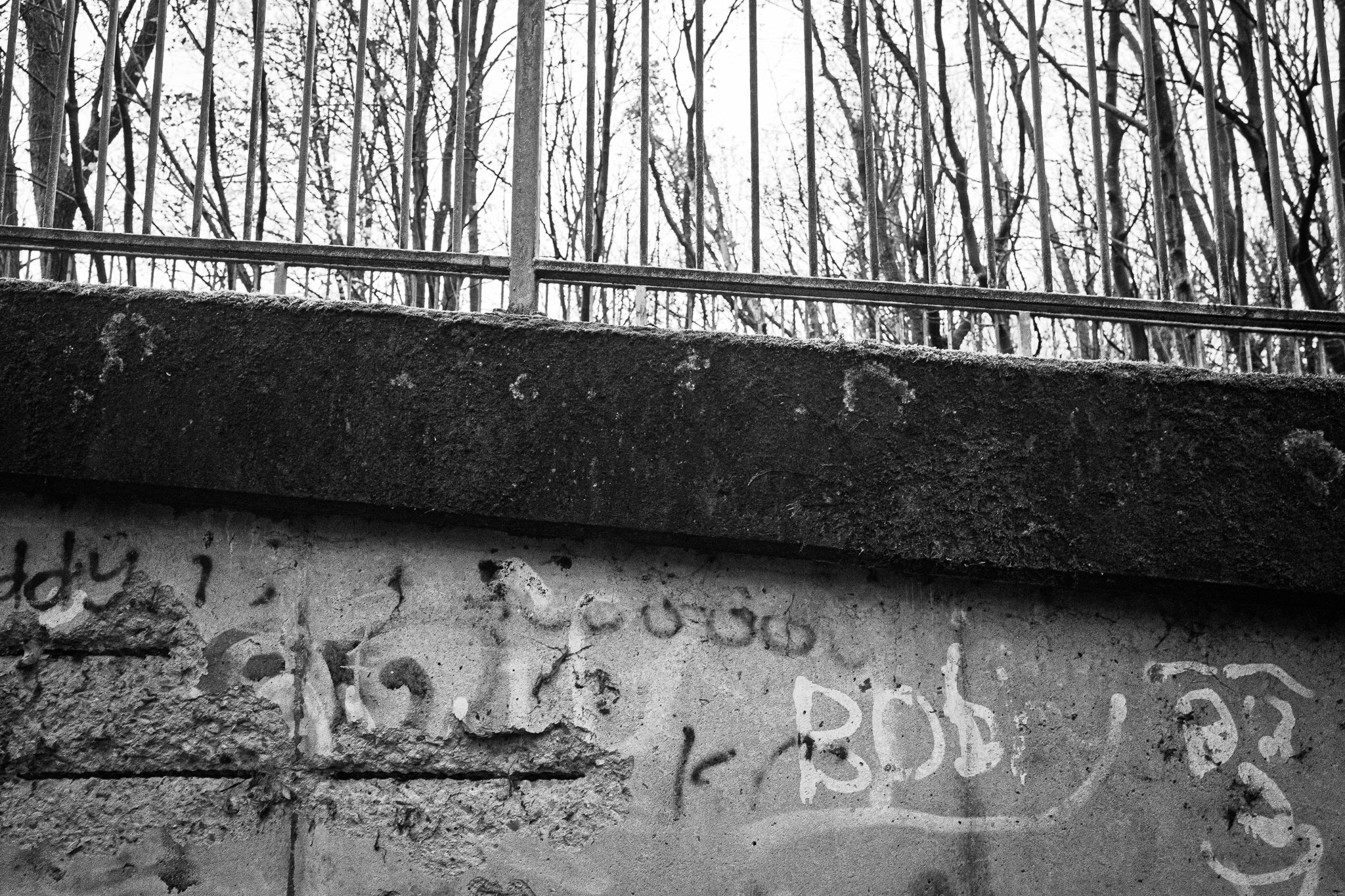
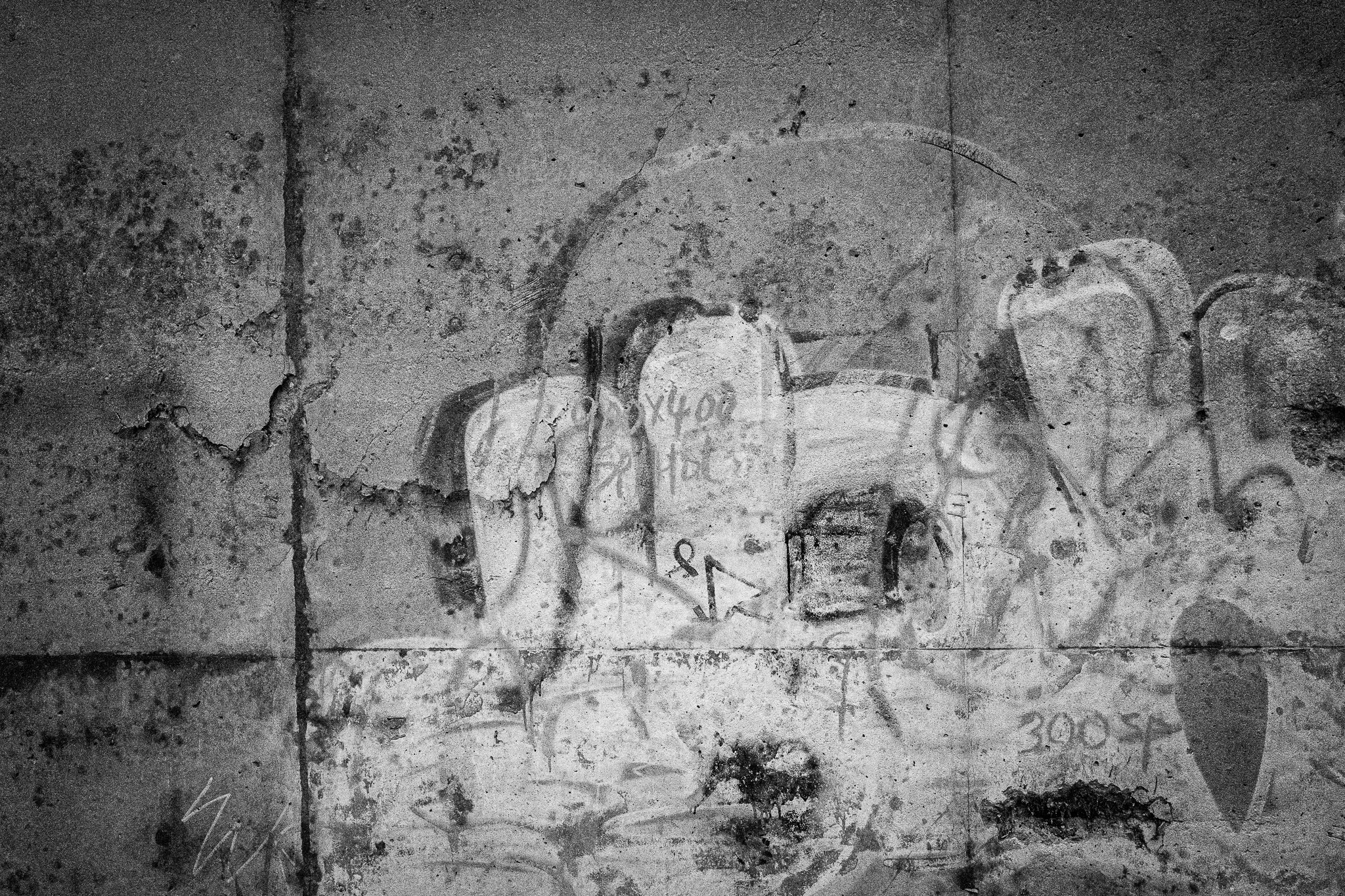
The concrete has aged in ways its architects probably never imagined. Decades of Lancashire rain have stained it, moss has softened its edges, and it's acquired this patina that makes it almost organic. What started as stark white has mellowed to grey, then charcoal, then black in places. Nature's been running its own darkroom development across the urban landscape, slowly claiming back what was built over ancient farmland.

Bridges to Everywhere and Nowhere

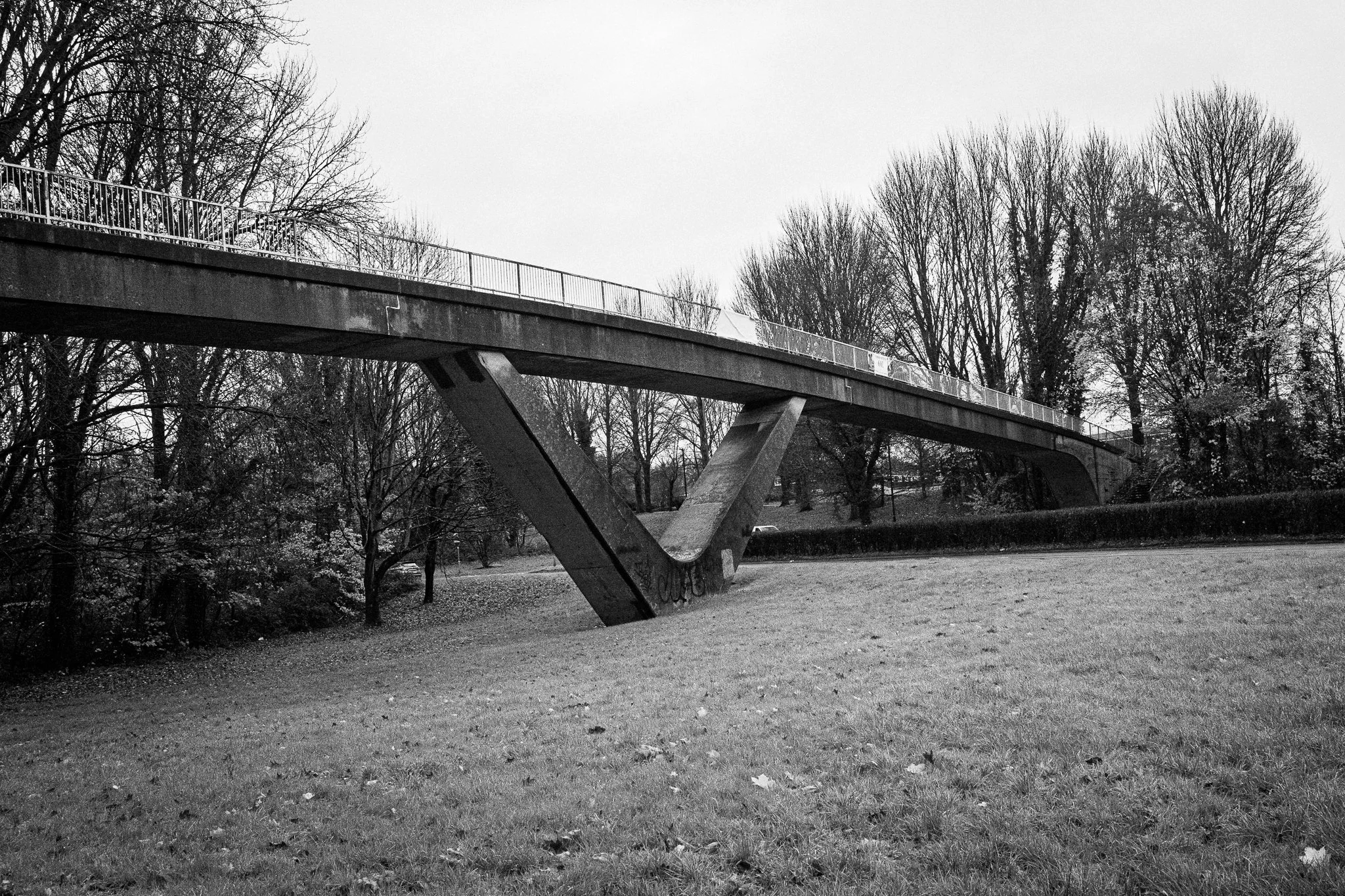
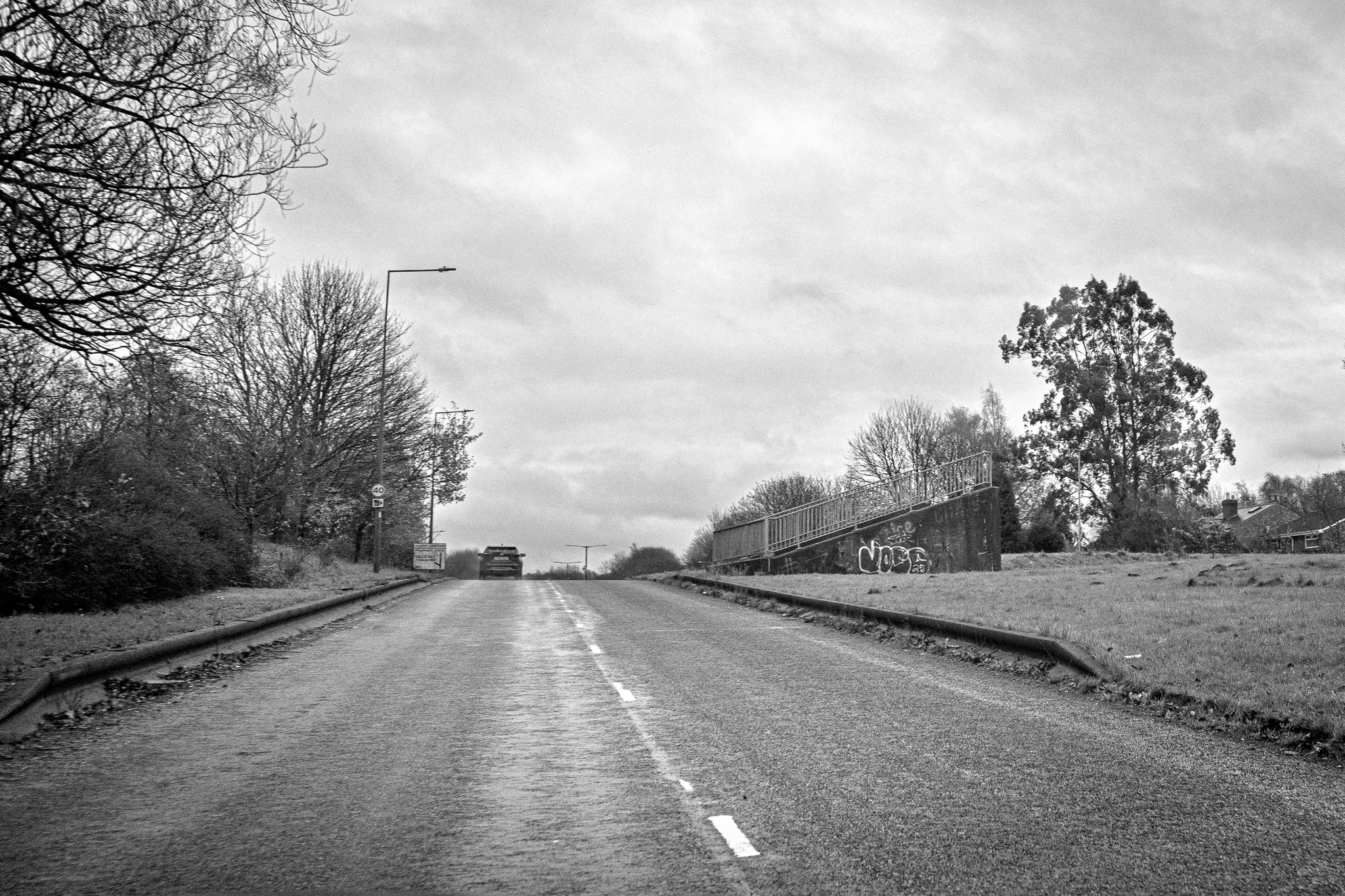
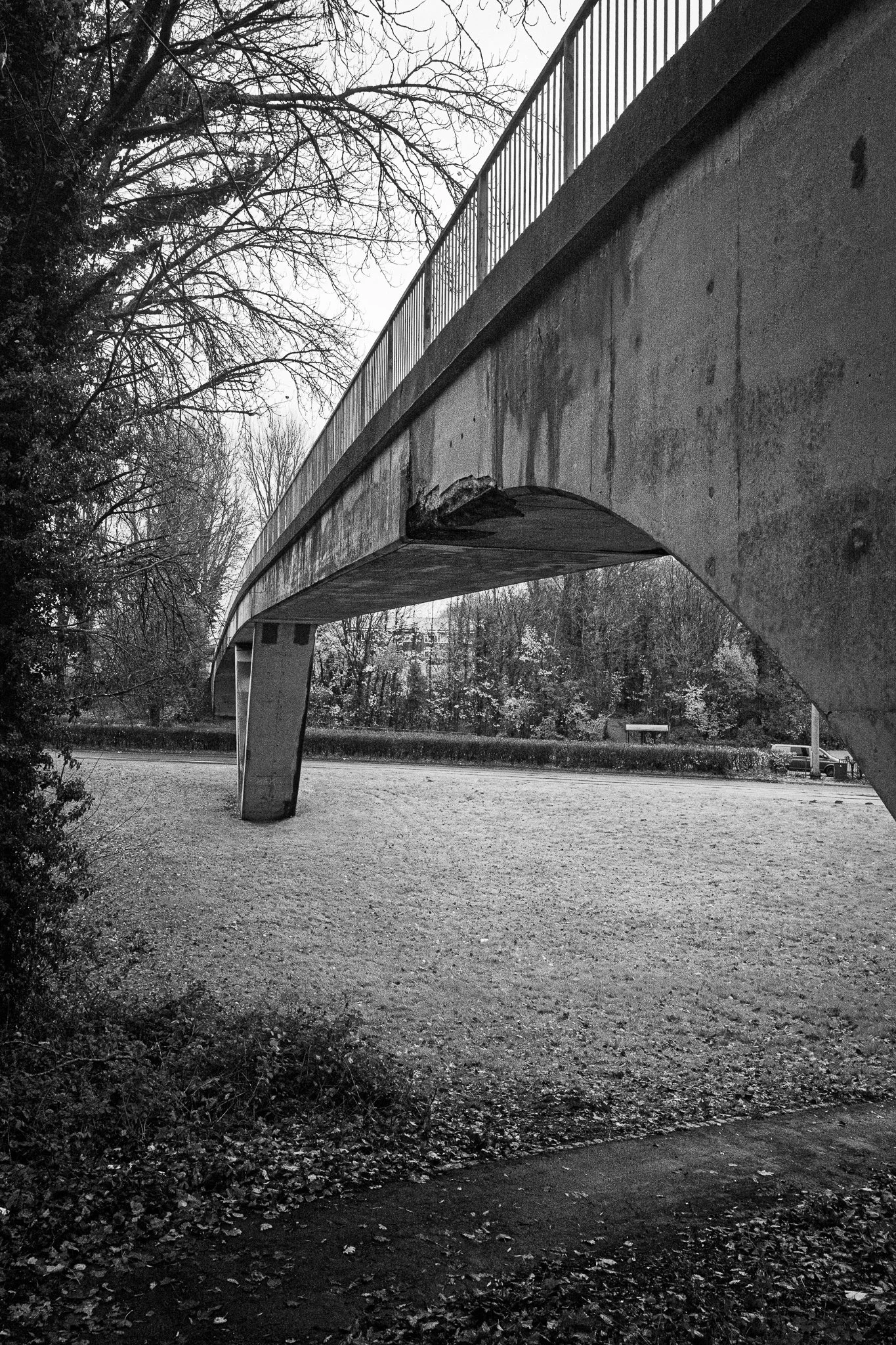
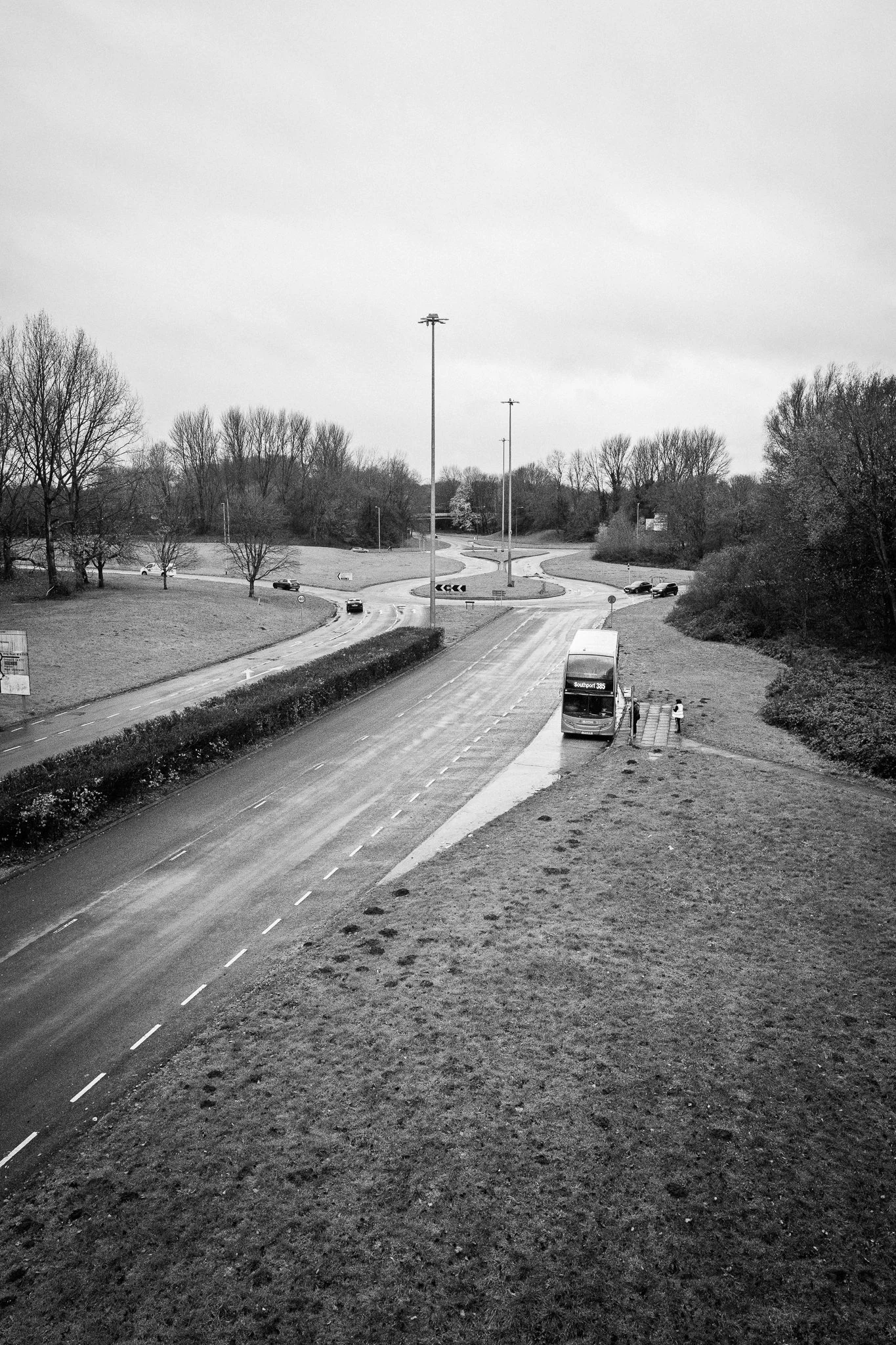
The pedestrian bridges are probably Skelmersdale's most poetic architectural elements. They were conceived to separate people from cars, soaring over roundabouts and linking housing estates to shopping areas in this traffic-light-free experiment. Some still lead somewhere meaningful. Others terminate at empty car parks or closed community centres, which feels about right. These concrete ribbons, captured against grey skies, become metaphors for connection and disconnection, for journeys that were planned and then quietly abandoned.

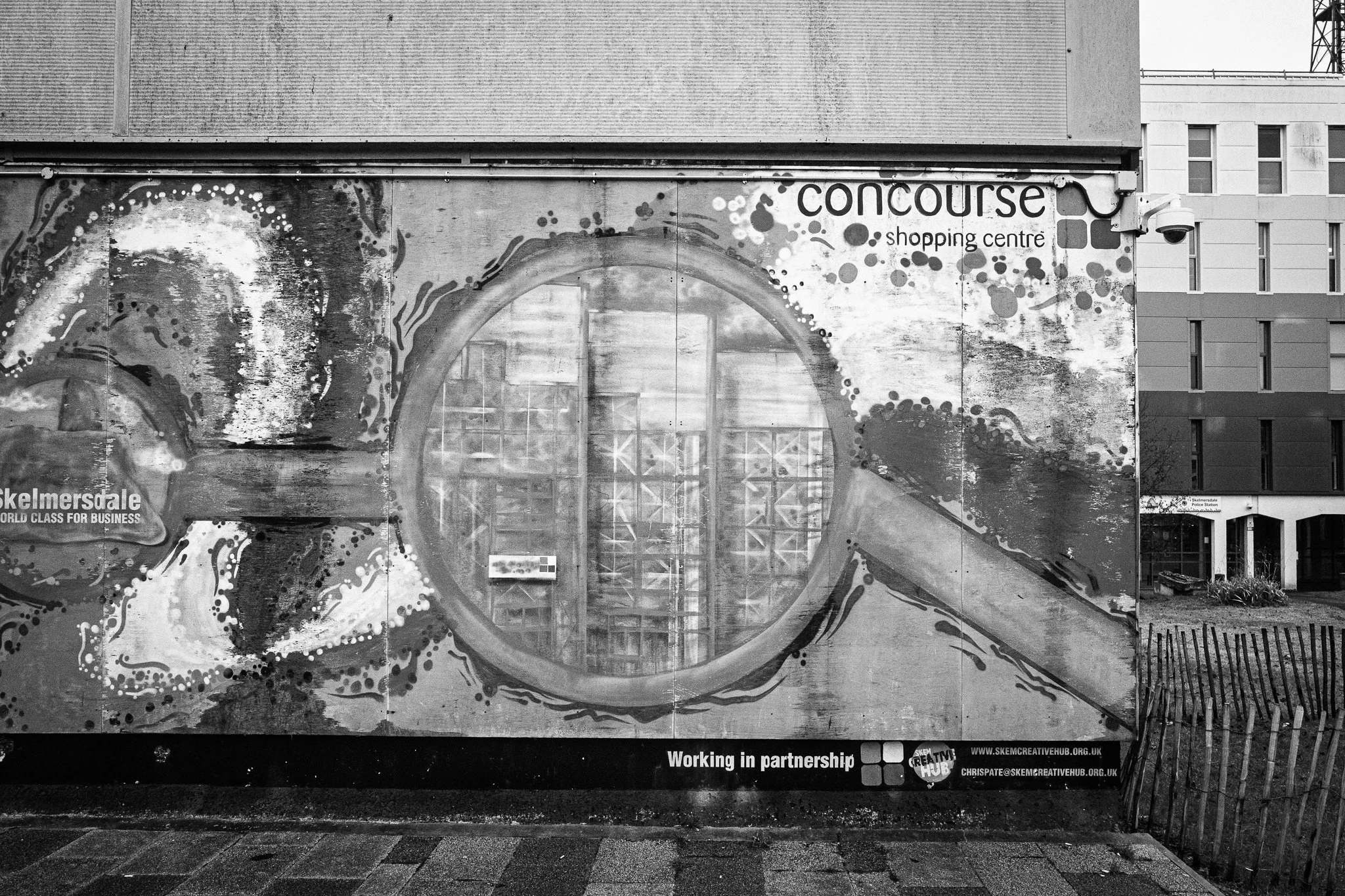
Walking beneath them, you sense the ambition. Someone believed these walkways would carry children safely to school, workers to the Concourse, families to the leisure centre. The infrastructure of optimism, weathered but still standing.

Rain as Developer

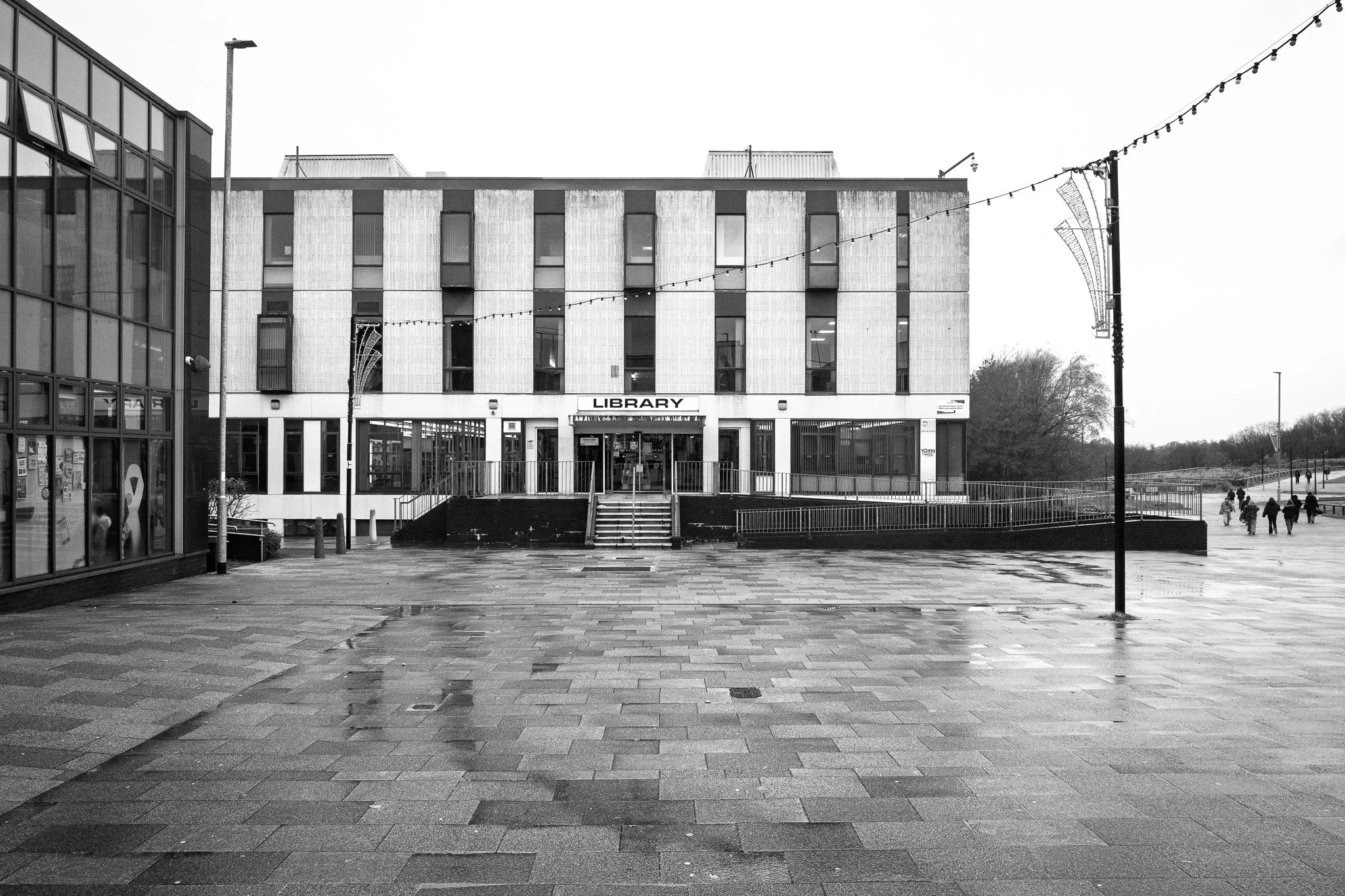
Lancashire rain isn't just weather here, it's a creative collaborator. Rain darkens concrete, creates reflections on tarmac, adds atmosphere to empty spaces. It pools in the corners of brutalist details, streaks down walls, transforms pedestrian subways into impromptu waterfalls. The rain doesn't destroy these structures, it reveals them, adding drama and emotion to what might otherwise appear cold.

The camera captures rain's effects: how wet concrete becomes almost black, how moisture softens hard edges. Rain makes the town photogenic in ways its planners never intended. There's something fitting about that - nature collaborating with human ambition to create something neither could achieve alone.

The Ghosts of Multiple Utopias

There's something haunting about photographing Skelmersdale now. The town carries echoes of overlapping dreams. The 1960s planners who believed roundabouts and subways could reshape society. The families who moved here seeking better lives, carrying weekend homesickness back to Liverpool. The meditation community who arrived in the 1980s, convinced they could transform the place through collective consciousness, sending good vibes across the nation from Lancashire's approximate centre.

Each photograph captures fragments of these layered visions. A bridge leading nowhere holds the ghost of someone's route to work. An empty car park remembers the shopping expeditions of young families. The civic centre stands as testimony to the belief that communities need shared spaces to thrive. The golden dome of the Sidhaland reflects a different kind of architectural optimism entirely.

The Nye Bevan Centre: Monument to Collective Aspiration

Named after the architect of the NHS, the leisure centre embodies the new town's commitment to public health and communal recreation. Its modernist bulk - pool, sports halls, meeting rooms - represents a time when local authorities built grand civic amenities as a matter of course. Now it's scheduled for demolition, which seems typical of how we treat such monuments to collective faith.

Through my viewfinder, its geometric forms become sculptural. Its function matters less than its presence as a statement about what communities might build together when they believe in something larger than individual ambition. When politicians still dreamed at street level.

Black, White and the Infinite Greys

I photograph exclusively in monochrome because these spaces demand it. The drama is in texture, form and light, not colour. Black and white photography shares concrete's honesty - both strip away the decorative to reveal essential structure. In these images, shadow pools in stairwells, light catches on wet pavement, and the grey Lancashire sky becomes a neutral backdrop that doesn't compete with architecture making bold statements.

The tonal range mirrors the town's story: the stark optimism of the original white concrete vision, the deep shadows of economic decline, and the infinite greys of adaptation and endurance. Most of life happens in those grey zones, where people make do and communities persist despite planners moving on to new projects. Where children learn to navigate landscapes that were always possibly dangerous but endlessly climbable.

Being Noticed

Part of what draws me to photograph Skelmersdale is simply the act of paying attention. This is a place that's become legendary for all the wrong reasons - the town with no traffic lights, the aspiration dispersal field, the highest enteritis rates in Europe from that infamous sandpit. People laugh when you mention it, then share their favourite bit of Skem folklore.

But between the legends and the jokes are 40,000 people living their lives. The families who defend their community fiercely, who've watched housing estates regenerate, who know something the rest of us have forgotten about what it means to start over.

A Personal Archaeology

These images aren't about urban decay or failed dreams, though that would be the easy reading. They're about the persistence of hope embedded in concrete and steel. Each photograph asks: What did we believe the future would look like? What survives when grand plans meet ordinary life? How do places adapt when their original purpose shifts? And why did we stop dreaming at street level?

The concrete endures, weathered but unbroken. The bridges still span their distances. The leisure centre still serves its community, even with demolition looming. These structures were born from utopian thinking and shaped by pragmatic reality. They deserve to be seen not as failures but as honest attempts to build something better - attempts that continue in different forms as the town evolves.

In 2025, Skelmersdale stands as both historical document and ongoing experiment. It's a reminder that every present was once someone's imagined future, cast in concrete and seasoned by decades of rain. The dreams may have changed, but the dreaming continues. And maybe that's what utopia is really for - not to be achieved, but to be an idea to which reality remains answerable.

Next
Next

The Cellar Years: Darts, Choc Ices, Dem/Dat Big in Greenhill Road